The Strait of Hormuz Crisis, Seen Through Text, Image,
and Geo Coordinates
We used AskNews' new Image Context feature to assess the
IEA's historic 400-million-barrel reserve release.
Here's what we found when news images and text worked
together.
|
|
Multimodal Analysis
Can 400 Million Barrels Save the Oil Market? What Text
and Images Together Reveal
The IEA just announced the largest coordinated reserve
release in history—more than double the 2022
Ukraine response. We ran an analysis using AskNews' new
Image Context feature, combining text enrichments with
image metadata from satellite photos, press imagery, and
naval surveillance coverage. Here's what the full
picture looks like when you can see and read
the news simultaneously.
|
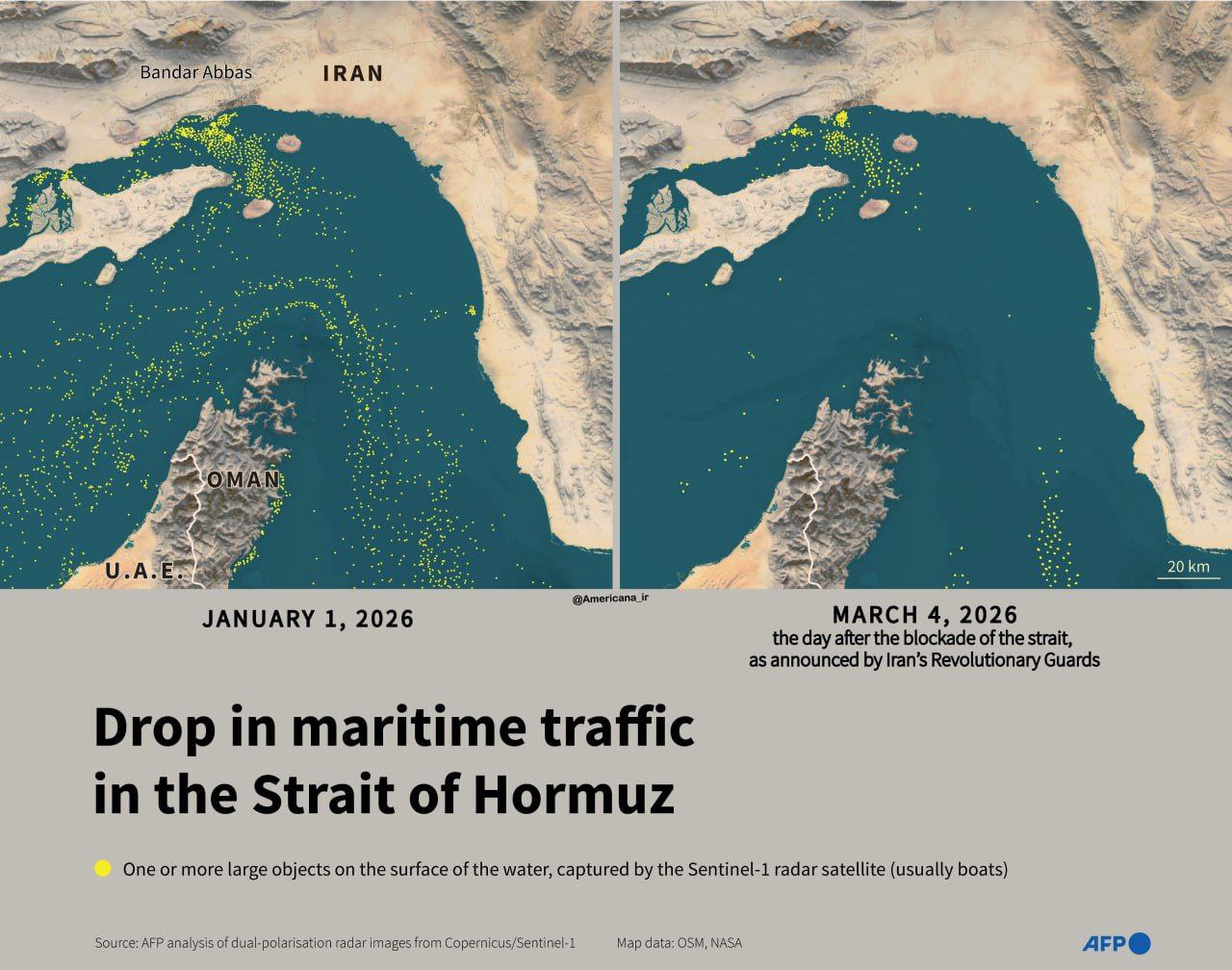
Satellite imagery showing the dramatic drop in Strait of
Hormuz traffic—surfaced automatically via AskNews
Image Context (source: AFP)
|
The Verdict: Necessary, But the Math Doesn't Add Up
The IEA can release a maximum of 2–2.5 million
barrels/day. The Strait closure removed ~15 million
barrels/day of crude and refined products from global
supply. That leaves a net deficit exceeding
10 million barrels/day—a gap no
reserve release can close.
-
Markets aren't convinced: Brent rose
4.76% to $91.98 on the day of the announcement. SPI
AM's Stephen Innes called it "pouring water into a
leaking barrel."
-
It did prevent the worst case:
Without intervention, Goldman Sachs projected
$150+/barrel. The release capped prices in the
$85–$92 range—painful, but not
catastrophic.
-
Time is limited: The 400 million
barrels buy weeks, not months. Macron himself
acknowledged it covers only "20 days of the volume
exported through the Strait." If the blockade
persists, reserves deplete by end of March—and
then must be replenished, adding future pressure.
-
Reopening remains remote: The U.S.
Navy has declined to escort commercial vessels. A
retired French Vice Admiral called sending ships into
active hostilities "suicidal." As of March 11, 17
tankers had been struck, and traffic through the
Strait dropped from ~100 vessels/day to fewer than 5.
Bottom line: The release buys time for diplomacy, but
cannot substitute for physically reopening the Strait of
Hormuz.
|
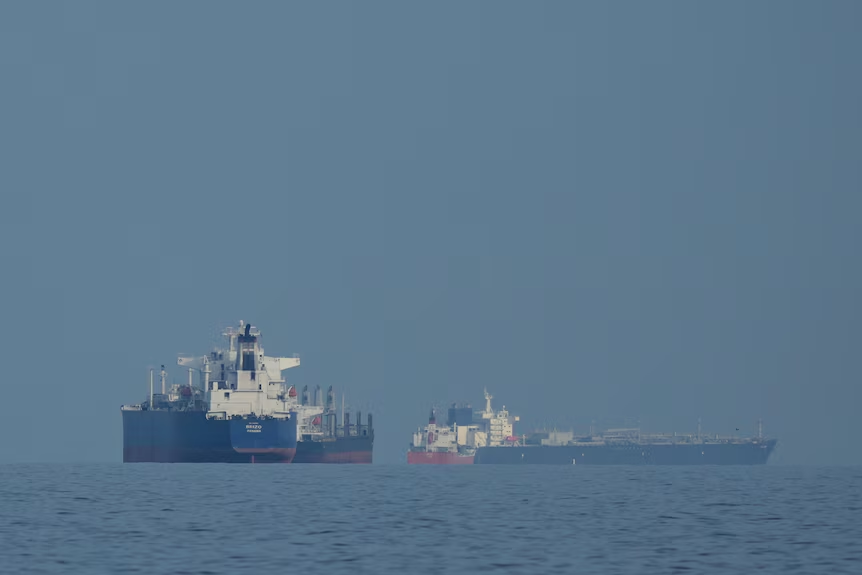
Tankers queued in the Strait—Image Context
identified vessel counts, locations, and blockade
patterns across sources (source: AP)
|
|
What Images Added to the Analysis
Text Told Us the Strait Was Closed. Images Showed Us
What That Looks Like.
This analysis was our first real stress test of
Image Context—AskNews' new
capability that automatically extracts metadata from
every news image: who's pictured, what they're doing,
products and objects shown, sentiment, location, and
more. These enrichments are indexed alongside text, so
search and retrieval now crosses both modalities
simultaneously.
Here's what image enrichments surfaced that text alone
missed:
-
Satellite imagery of tanker damage
and naval blockade positions confirmed the severity of
the closure before official reports caught
up—image metadata identified vessel types and
geolocations automatically
-
Photos of world leaders (Macron,
IEA's Fatih Birol) at emergency press conferences were
tagged with names, roles, and emotional
sentiment—adding urgency context that headline
text sanitized away
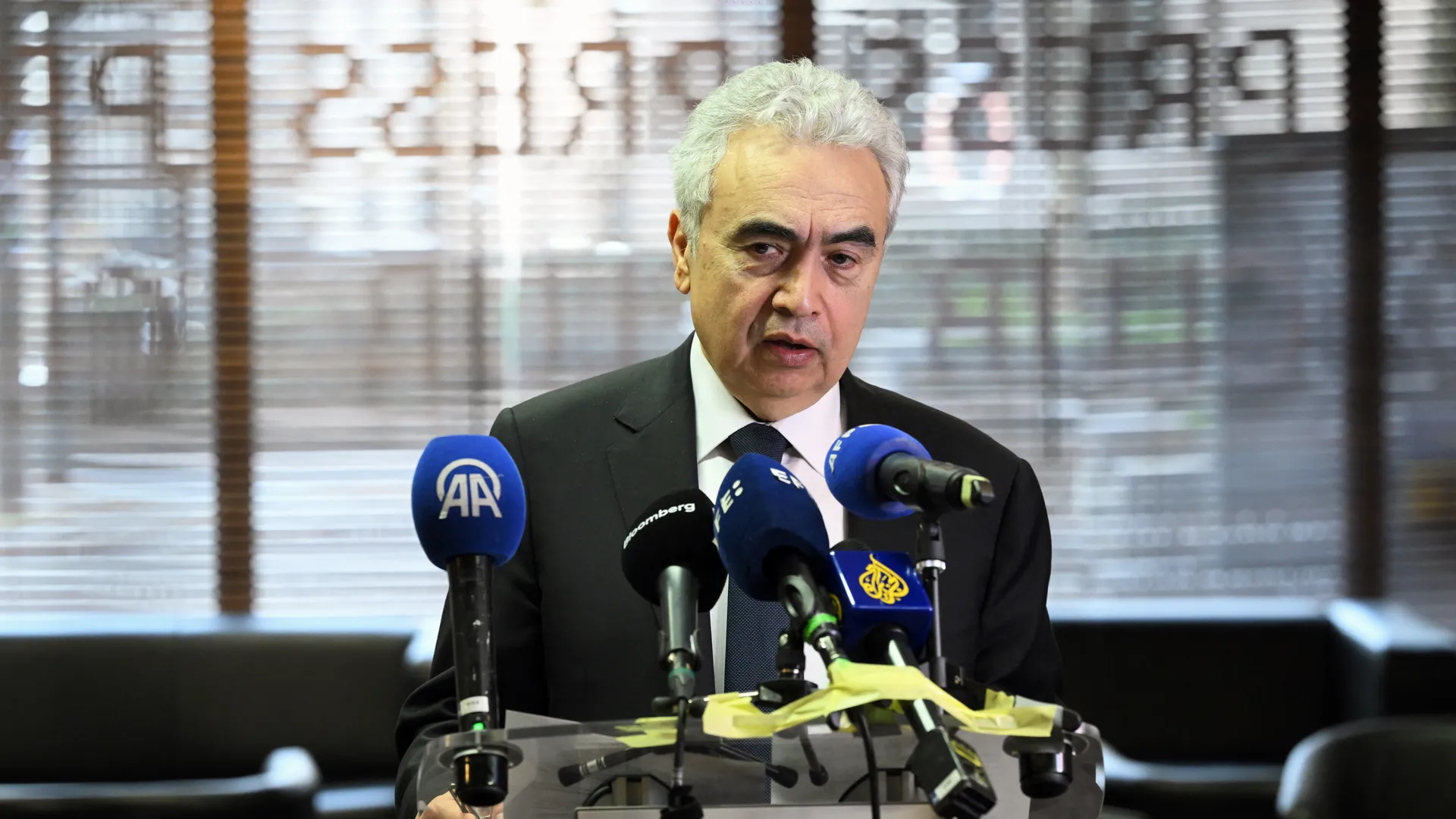
IEA's Fatih Birol on March 6—Image Context
auto-identified the speaker, role, and setting
(source: AFP)
|
-
Storage facility images from Iraq and
Kuwait surfaced articles about saturation risks that
text-only search ranked lower, because the written
content focused on policy while the
photos showed the logistics reality
-
Naval vessel identification in press
photos helped cross-reference IRGC force deployment
patterns across dozens of sources—even when
articles didn't name the specific boat classes in text
Goldman Sachs' $150/barrel warning wasn't
hypothetical—satellite images showed 17 damaged
tankers and near-zero commercial traffic. Gulf state
storage was visibly maxing out. Diplomatic tension was
visible in leaders' expressions at emergency summits.
Together, text and image produced an analysis that
neither modality could achieve alone.
Every one of these enrichments comes paired with
geo coordinates and
named entities—so you don't just
know what's in the image, you know
where it was captured and who or
what is involved. Plot tanker incidents on a
map, cluster coverage by location, or filter by
entity—all from a single API response.
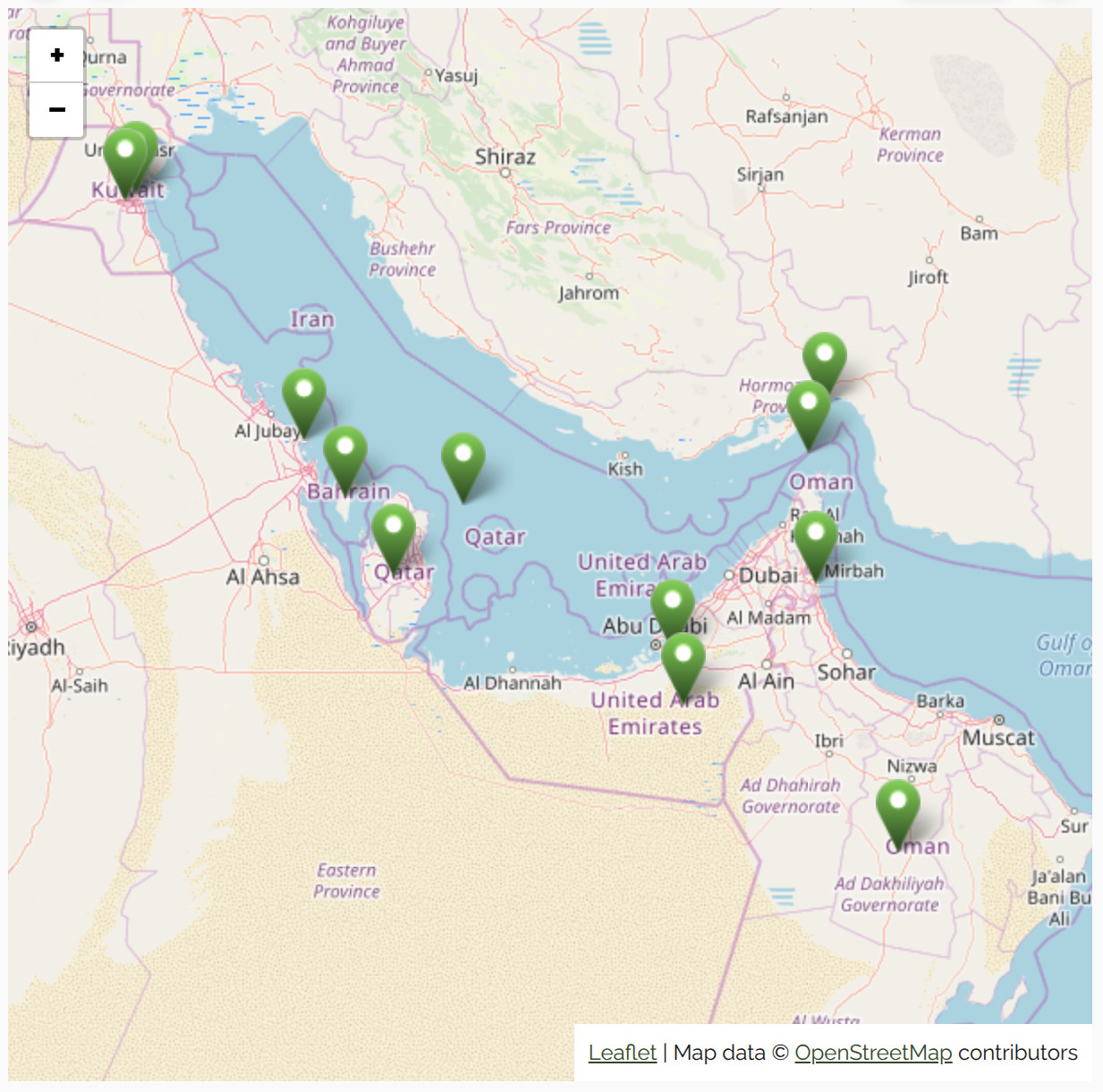
Geo coordinates extracted from news articles and
images—every enrichment is spatially
grounded (source: AskNews)
|
|
How Cross-Modal Search Works
Search for
"IRGC fast attack boats Strait of Hormuz"—and AskNews doesn't just find articles
mentioning them in text. It also surfaces articles where
press or satellite photos show IRGC naval
vessels, even if the article text never names the boat
class. The image metadata—vessel type, location
coordinates, military insignia—gets matched to
your query and pulls the full article into your results.
Search for
"oil tanker damage"—and find
articles where photos show hull breaches, fire, or oil
slicks, alongside the text-matched coverage. One query,
both modalities, complete context.
|
Stop Processing HTML and Images Yourself
Until now, extracting meaning from news images meant
building your own pipeline: scraping HTML, parsing
<img> tags, downloading images, running them
through vision models, and then somehow linking those
results back to the article text. That's hours of
engineering and significant compute cost—per
article.
With Image Context,
all of that is done for you. Every
article returned by the AskNews API now includes
structured image enrichments alongside the text
enrichments you already rely on. No HTML parsing, no
image downloading, no separate vision API
calls—just one request, millisecond response
times, and complete multimodal intelligence.
One API call. Text + image enrichments. Milliseconds.
|
|
Quick Start Example
from asknews_sdk import AskNewsSDK

sdk = AskNewsSDK(api_key="your_key")

response = sdk.news.search_news(
    query="IRGC fast attack boats Strait of Hormuz",
    n_articles=10,
    hours_back=48,
    method="kw",
)

# Image enrichments are included automatically
for article in response.as_dicts:
    print(article.title)
    print(article.image_description)
    print(article.image_url)
    print(article.entities)
    print(article.geo_coordinates)
    print(article.sentiment)
    print(article.bias)
    print(article.assets)
|
|
Make sure you upgrade:
pip install --upgrade asknews
|
Ready to see what your news images contain?
Image Context is already live on the API. Upgrade your
SDK and start getting multimodal enrichments with every
search.
Go to Dashboard
|
|
Need Help Getting Started?
Our support team is ready to help. Join our Discord
server or reach out to us directly at
[email protected].

|
|
AskNews - News, when quality matters.
Emergent Methods, LLC, Denver Colorado, USA
© 2026 Emergent Methods LLC All rights reserved.
|
|
|